mainmainhome{}
Asiatic Lily (Lilium asiaticum)
Complete growing guide for the Asiatic hybrid lily
Introduction
The *Lilium asiaticum*, commonly known as the **Asiatic hybrid lily**, is the most widely grown lily in the world, accounting for around 70% of global cut lily production. Hardy, colourful and easy to care for, it has won over European gardens for decades.
The varietal diversity is remarkable: from white to yellow, orange to pink, red to purple, this bulbous plant offers a spectacular floral display from June to July.
Biology and Classification
Name and Taxonomy
Lilium asiaticum belongs to the family Liliaceae. The Latin name literally means "lily of Asia", referring to its geographic origin.
General Description
Lilium asiaticum is a perennial bulbous plant distinguished by:
- Height: 60 to 120 cm depending on variety
- Foliage: lance-shaped, alternate leaves in medium to dark green arranged on upright stems
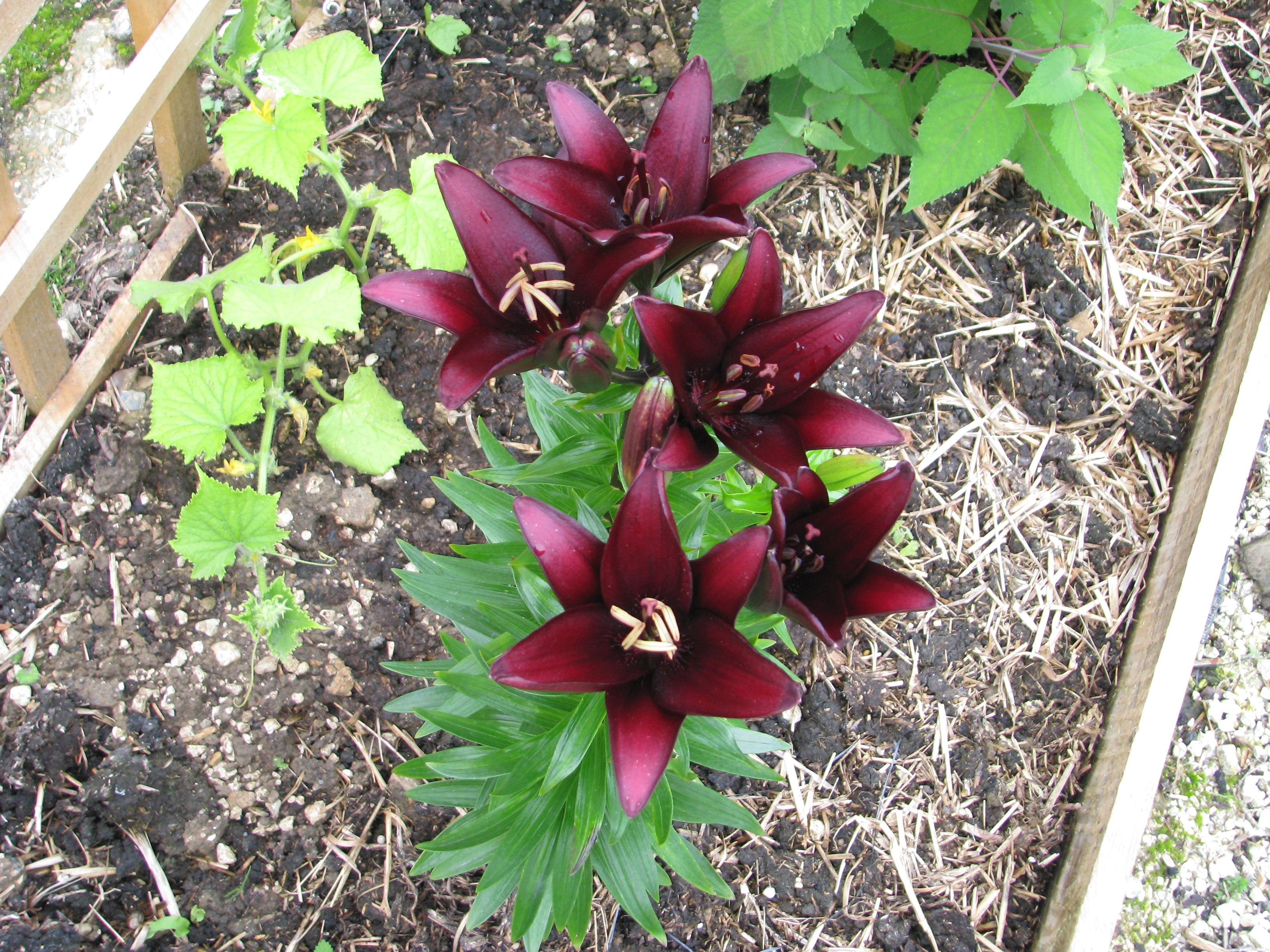
- Flowers: large cup- or turban-shaped flowers, generally facing skyward or slightly to the side
- Flowering period: June to July
- Colours: very broad palette including white, yellow, orange, pink, red, purple and bicolour
The bulbs consist of fleshy, overlapping scales, characteristic of the genus *Lilium*. Each bulb typically produces a single flowering stem, but mature bulbs may give rise to several stems.
Key characteristics
List:
Plant type: Perennial bulb
Root system: Scaly bulb, adventitious roots at the base of the stem
Vegetative cycle: Deciduous, winter dormancy
Bulb lifespan: 3 to 5 years in cultivation
Planting depth: 15 to 20 cm
Flowering: 60 to 90 days after planting (pre-chilled bulbs)
Origin and History
Wild origin
Lilium asiaticum are horticultural hybrids derived from wild species originating mainly from China (central and northern regions), Japan, Korea and eastern Siberia. The parental species most widely used in breeding programmes are *Lilium dauricum*, *Lilium maculatum*, *Lilium concolor* and *Lilium bowlieri*.
Horticultural development
Intensive hybridisation of Asiatic lilies began in the mid-20th century, primarily in the United States and the Netherlands. The aim was to create hardier, more rustic hybrids that are more compact, offer a wider range of colours, and show better disease resistance.
Growing and Care
Exposure
Lilium asiaticum requires a minimum of 6 to 8 hours of sunlight per day for optimal flowering. In hot climates (southern France, Italy), choose a location where the bulbs stay cool with a thick layer of mulch. In shade, growth is weak and flowering almost non-existent.
Soil and Substrate
Asiatic lilies require well-drained, fertile soil. They cannot tolerate waterlogging, which causes bulbs to rot. The ideal pH is between 6.0 and 6.5 (slightly acidic). For heavy clay soils, add coarse sand and compost to improve drainage.
Planting
The optimal planting period is in spring (March–April) or autumn (September–October), with autumn planting recommended for better establishment. Plant bulbs at three times their height (approximately 15 to 20 cm), spacing them 20 to 30 cm apart.
Watering
During the first year, water moderately two to three times per week. During active growth, one to two waterings per week are sufficient. During flowering, maintain moisture to avoid water stress. Water at the base; avoid wetting the foliage.
Fertilisation
At the onset of growth: nitrogen-rich fertiliser (NPK 10-20-10). At bud stage: balanced fertiliser (NPK 10-10-10). Post-flowering: potassium-rich fertiliser (NPK 0-10-20) to replenish bulb reserves.
Seasonal Care
In spring: remove winter mulch and apply the first dose of fertiliser. In summer: deadhead spent flowers to prolong flowering. In autumn: cut back faded stems to 10 to 15 cm above ground. In winter: protect bulbs in harsh climates with a mulch of dead leaves.
Hardiness
Lilium asiaticum is very hardy, tolerating −30 °C to −10 °C (USDA zones 4 to 8). In the English-speaking world, cultivation is possible across a wide range of climates, from northern regions to milder zones. The main enemy is winter moisture.

Propagation
Bulb division
The simplest method: separate the bulblets formed around the mother bulb in autumn and replant them immediately. Establishment is quick and flowering occurs after 1 to 2 years.
Scaling
Detach 2 to 3 outer scales from the bulb and plant them in a sandy substrate. Bulblets form at the base of the scales in 6 to 8 weeks. Flowering after 2 to 3 years.
Axillary bulblets
Some varieties produce small bulblets in the leaf axils. Collect them in autumn and replant. Flowering after 2 to 3 years.
Stem cuttings
Take stem tips in spring and plant in a well-draining substrate. Flowering after approximately 2 years.
Garden Uses
Lilium asiaticum is ideal in beds (groups of 5 to 10 bulbs, combined with low perennials), in borders (lines or colour blocks repeated in groups of 3 to 5), in rock gardens (compact varieties), in edgings (dwarf varieties reaching 50 to 60 cm), in pots and planters, and as cut flowers (lasting 7 to 14 days in a vase).
It pairs well with low perennials, ornamental grasses and border plants. It is also a moderate melliferous plant, attracting pollinators during the flowering period.
Diseases, Pests and Problems
*Lilium asiaticum* is generally a robust plant.
Lilium asiaticum is generally a robust plant, but some issues can arise.
Fungal diseases
Botrytis (grey mould) appears as brown-grey spots on leaves and flowers. Prevention: avoid wetting the foliage and ensure good air circulation. Treatment: copper- or sulphur-based fungicide applied preventatively.
Fusarium rot causes yellowing leaves, wilting and bulb rot. If infected, remove and destroy affected plants.
Viruses
Lily mottle virus (LMoV) causes yellow mottling on leaves and deformed flowers. Always use certified disease-free bulbs and remove any affected plants.
Pests
The lily beetle is the main pest: orange beetles that devour leaves and flowers. Hand-picking and natural insecticides are the recommended treatments. Aphids and slugs are occasional visitors.
Practical Tips
5 tips for success
1. **Plant deeply**: bury bulbs at 15 to 20 cm, much deeper than tulips. This depth protects from frost and retains moisture.
2. **Drainage first and foremost**: if your soil is clay, raise beds by 10 to 15 cm or add gravel beneath the bulbs.
3. **Summer mulch**: apply an organic mulch of 5 to 8 cm after planting. It keeps the soil cool and reduces watering needs.
4. **Feed after flowering**: a potassium application in late August to September is essential to replenish bulb reserves.
5. **Deadhead flowers, leave the foliage**: leave at least 50% of the stem with its leaves to feed the bulb.
Common mistakes
Planting too shallowly exposes bulbs to frost. Over-watering or planting in heavy soils causes rot. Digging up bulbs after flowering is unnecessary. Removing all foliage after flowering weakens the bulbs. Planting in full shade results in flowerless plants.
Commercial Varieties
Popular varieties
List:
'Enchantment': Orange, 80 to 100 cm, a classic and very floriferous variety
'Landini': Almost black dark purple, 100 to 120 cm, spectacular
'Blackout': Intense dark red, 90 to 110 cm
'Casa Blanca': Pure white, 100 to 120 cm, moderately fragrant
'Red Twin': Double-flowered red, 90 cm
'Golden Matrix': Golden yellow, 50 to 60 cm, a dwarf for borders
'Tiny Hope': Red, 40 to 50 cm, very compact
'Forever Susan': Orange, 40 to 50 cm, a popular compact variety
'Lolly': Pink and white bicolour, 80 to 100 cm
'Grand Cru': Yellow with orange centre, 100 cm
Where to buy in English-speaking regions
Lilium asiaticum is widely available from specialist nurseries (greatest variety and expert advice), garden centres, DIY superstores, and online retailers.
Dry bulbs are sold in autumn (September–November) or spring (February–April), typically in packs of 3, sizes 12/14 to 16/18 cm. Prices range from 3 to 6 euros for a pack of 3 bulbs.

Conclusion
*Lilium asiaticum* is an excellent choice for gardeners looking to add elegance and colour to their beds. Its hardiness, ease of growing and varietal diversity make it a plant accessible to gardeners of all levels.
With just a little attention to drainage and bulb nutrition, it will provide spectacular blooms for many years to come.