mainmainhome{}
Astilbes
Complete guide to growing and caring for astilbes in the garden
Introduction
With their delicate floral plumes and finely cut foliage, astilbes are undoubtedly one of the most elegant perennials for bringing life to shaded areas of the garden. Appreciated for over a century by gardeners around the world, this majestic plant offers a diversity of colors and forms that makes it an indispensable element of romantic borders and naturalistic gardens. Discover in this article all the essential knowledge to successfully grow this botanical marvel.
Biology and Botanical Characteristics
Classification and Taxonomy
Astilbe belongs to the genus Astilbe, which comprises around 18 species of rhizomatous flowering plants, according to modern classification. This taxonomy has evolved over the centuries, as the genus was successively associated with other neighboring genera before being definitively placed in the Saxifragaceae family.
The scientific denomination of the genus derives etymologically from ancient Greek: "a" means "without" and "stilbe" means "brilliance" or "shine," referring to the leaves that lack a characteristically glossy surface. This name was proposed by botanist Charles Louis L'Héritier in 1825.
Morphological Description
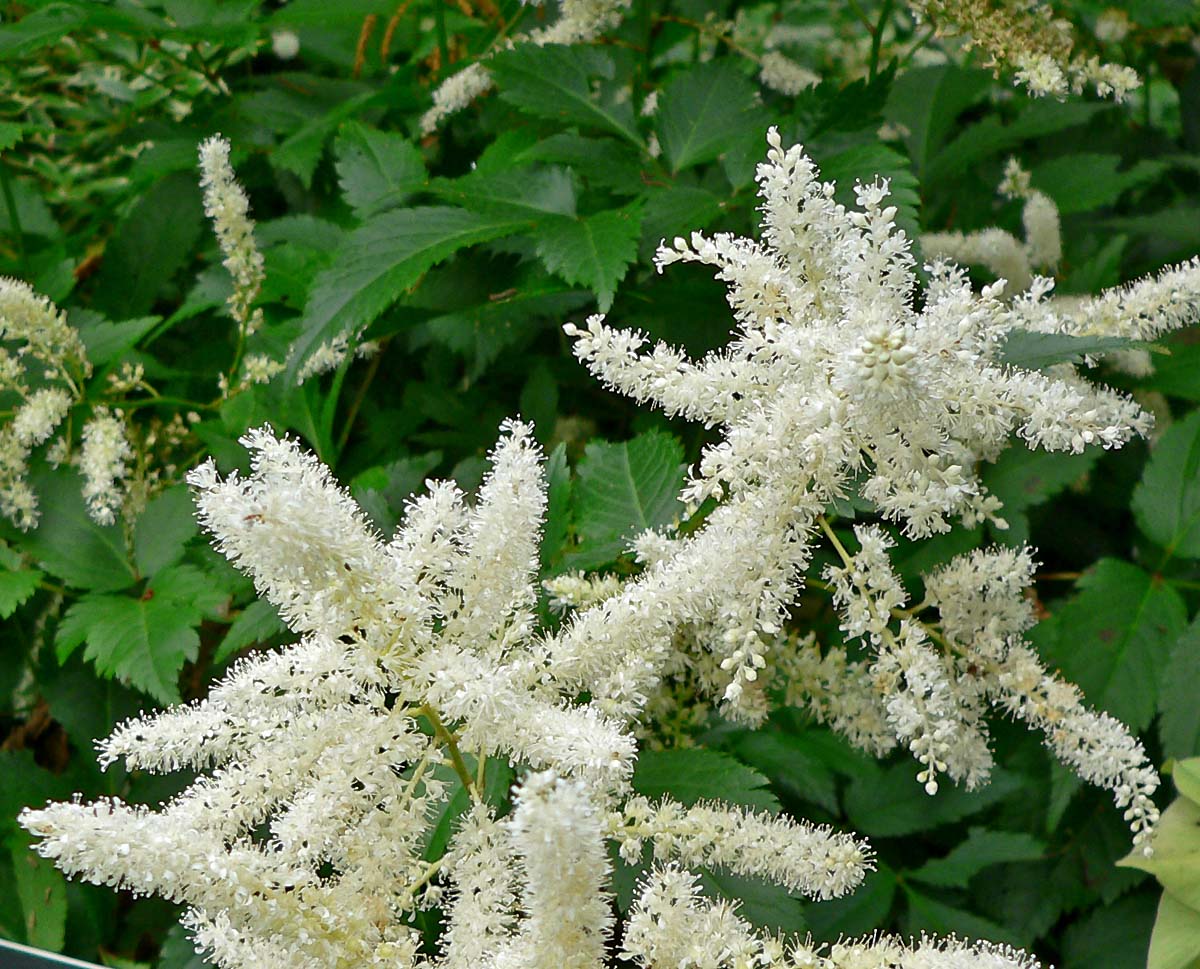
Astilbes are rhizomatous perennial plants distinguished by several remarkable botanical characteristics. Their root system develops in the form of compact, branched rhizomes, allowing the plant to spread gradually while remaining firmly anchored in the soil. This rhizomatous characteristic also explains the plant's ability to naturally multiply through division.
The foliage is one of astilbe's major attractions, even outside the flowering period. The leaves, arranged in a basal rosette, are generally pinnately compound or lobed, with toothed leaflets that recall the texture of fern fronds. The color ranges from light green to dark green, with some varieties displaying particularly decorative bronze or purplish hues.
The flower stems rise majestically above the foliage, reaching between 30 centimeters and over one meter in height depending on the variety. These stiff stems bear dense panicles composed of hundreds of small individual flowers, creating a visual effect of lightness and grace.
Flowering and Vegetative Cycle
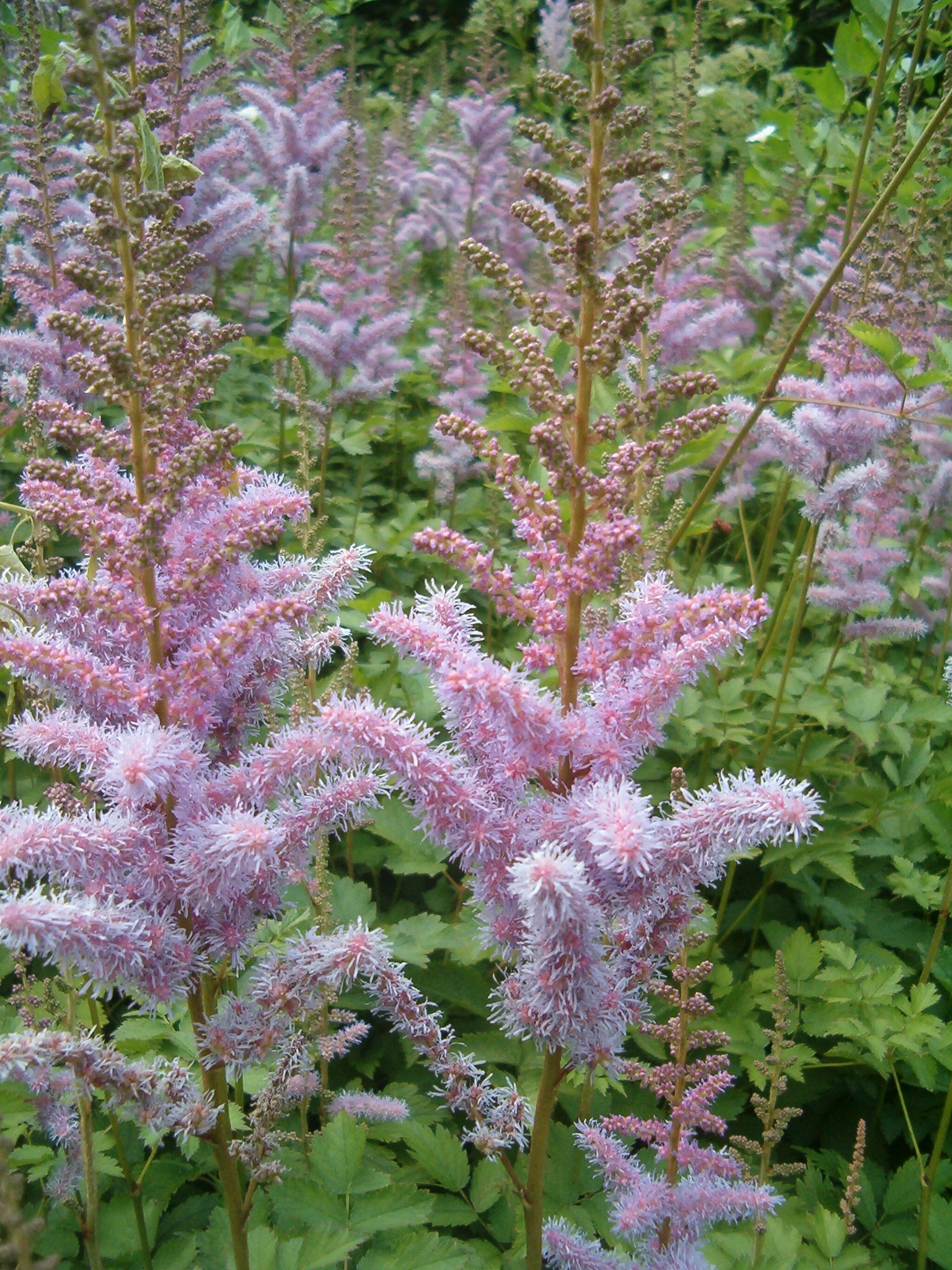
The flowering period of astilbes generally extends from spring to summer, with significant variations depending on the species and cultivated varieties. The earliest species to bloom are typically the Japanese hybrids (Astilbe japonica), which unfurl their panicles as early as May, followed by the Arends hybrids (Astilbe × arendsii) in June and July, and then by the Chinese astilbes (Astilbe chinensis), which extend the display into August and September.
Each individual flower measures only a few millimeters, but they are grouped into spectacular panicles that can reach 30 centimeters in length. Colors span a remarkable palette: from pure white to soft pink, from vibrant pink to crimson red, from lavender to deep purple.
Origin and Natural Habitat
In their native environment, astilbes colonize mountain ravines and damp woodlands of East Asia. They are naturally found in the mountain forests of Japan, China, Korea, and the Russian Far East. These environments are characterized by high atmospheric humidity, soils rich in organic matter, and filtered light, or even partial shade.
History and Discovery
The First Botanical Descriptions
The botanical history of astilbes truly began in the 19th century. The first official scientific description was made by American botanist John Eatton Le Conte in 1825, who named the plant Astilbe in reference to the dullness of its foliage.
Introduction to Europe and Popularization
The introduction of astilbes to Europe was gradual, with an initial wave of discovery centered on Japan and its endemic species. Astilbe japonica, with its white flowers, was one of the first species shared with the Western world in the late 19th century.
Commercial and horticultural development of astilbes owes much to the hybridization work carried out by Georg Arends, a German breeder. The Arends hybrids (Astilbe × arendsii), resulting from complex crosses involving several species, still represent a significant proportion of the varieties sold worldwide today.
Growing and Garden Care
Exposure Conditions
Astilbes thrive ideally in partial shade to light shade conditions, thus replicating the conditions of their natural habitat under mountain tree canopies. An exposure where direct sunlight is present only in the morning or late afternoon suits these plants perfectly.
In northern regions with cool, damp climates, astilbes can tolerate sunnier exposures, provided the soil remains sufficiently moist. In warmer, drier southern regions, light shade becomes essential.
Soil Requirements
Astilbes particularly enjoy soils rich in organic matter, cool, and well-draining. Soil that is too heavy can lead to rhizome rot, while soil that is too light will not retain the necessary moisture. A slightly acidic to neutral soil (pH 6 to 7) promotes optimal development.
Planting and Spacing
The optimal planting period is in spring, once the risk of late frosts has passed, or in autumn, between September and October. For a dense border, plan for approximately 5 to 7 plants per square meter for medium-sized varieties. More vigorous varieties require a spacing of 40 to 60 centimeters between each plant.
Watering and Feeding
Watering is undoubtedly the most critical aspect of astilbe care. These plants do not tolerate drought well and require a regular water supply. During the first year after planting, regular and generous watering is essential. Fertilizing is done mainly in spring with a slow-release granular fertilizer.
Seasonal Maintenance
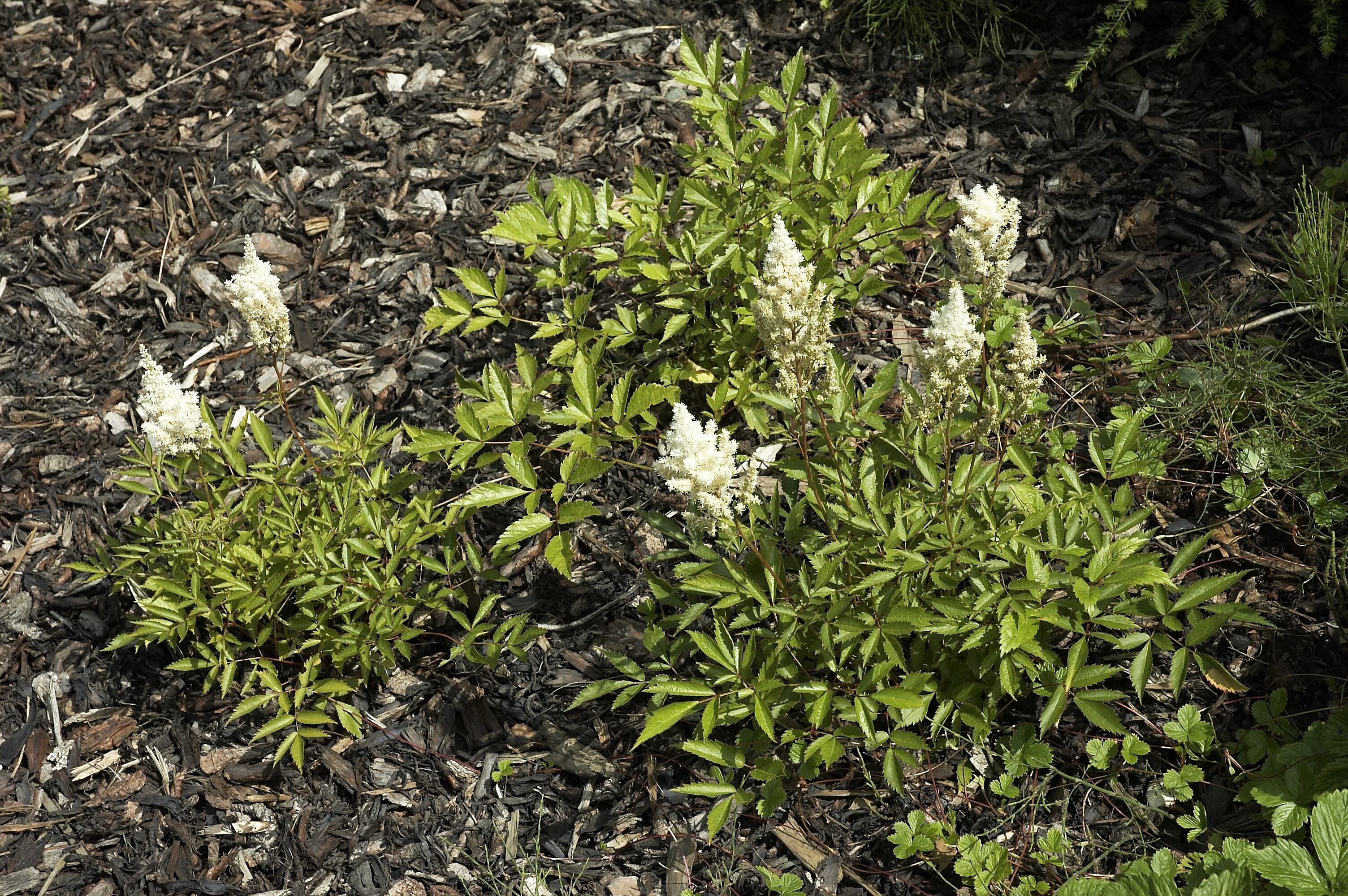
In spring, cleaning up the clumps allows for the removal of dried stems and leaves from the previous year. Mulching is an essential cultural practice: applied in spring after cleaning the clumps, it helps retain soil moisture, suppress weed growth, and gradually add organic matter.
Propagation and Multiplication
Clump Division
Clump division is the simplest and most effective propagation method for astilbes. This operation is best carried out in spring, just as new shoots emerge from the soil. The recommended frequency is approximately every three to five years, when the clumps become too dense.
Rhizome Cuttings
Rhizome cuttings allow for producing a larger number of plants from a single mother plant. Sections of rhizome bearing at least one visible bud are planted horizontally in a light growing medium and kept moist until the first leaves appear.
Diseases, Pests and Common Problems
Powdery mildew is the main disease affecting astilbes in European gardens, manifesting as a whitish coating on the leaves. Slugs and snails are fond of the tender foliage of astilbes. Yellowing of leaves can result from iron or nitrogen deficiency, water stress, or excessive sun exposure. Drought is undoubtedly the most problematic stress factor for astilbes.
Commercial Varieties
The Main Horticultural Groups
Arends hybrids (Astilbe × arendsii) are the largest group in terms of commercial diversity. Japanese astilbes (Astilbe japonica) are characterized by small to medium-sized, earlier-blooming plants. Chinese astilbes (Astilbe chinensis) offer superior drought tolerance and later flowering.
Selection by Color
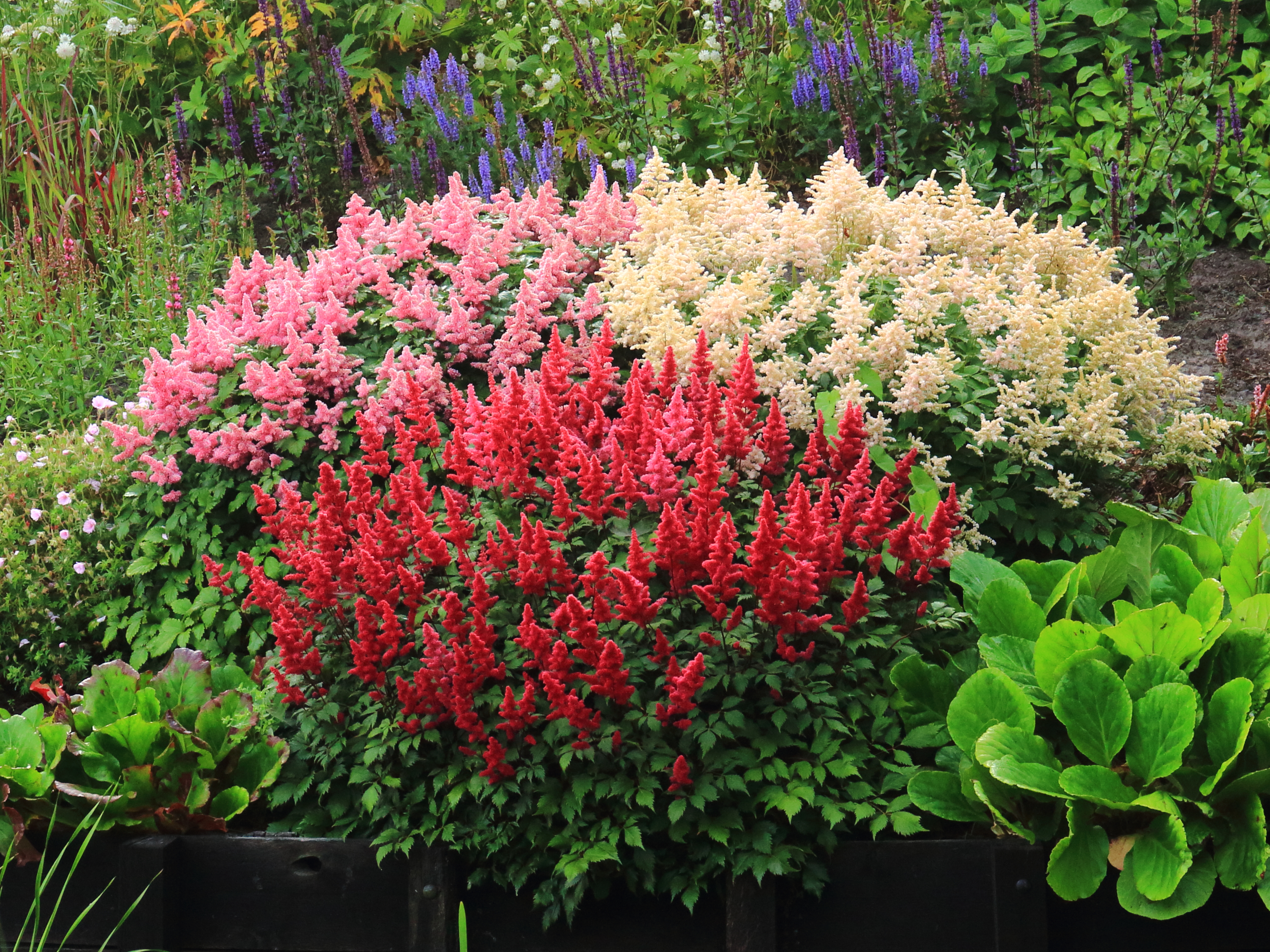
White varieties ('Weiß Gloria', 'Snowdrift') bring brightness to darker areas. Pink varieties are the most numerous group, with shades ranging from pale pink to vibrant pink. Red and purple varieties ('Red Sentinel', 'Fanal') add a dramatic touch to compositions.
Selection by Size
Dwarf varieties ('Sprite', 'Perkeo') are ideal for borders and container growing. Medium varieties (60–80 cm) are perfect for flowerbeds. Tall varieties ('Superba', 'Gladstone') exceeding one meter serve as focal points in large beds.
Where to Buy Astilbes
Astilbes are widely available in the horticultural trade, both in physical garden centers and online. Specialized nurseries are a preferred source for rarer varieties. Online ordering provides access to a wider range with home delivery.