Incarvillea: A Complete Guide to an Exceptional Ornamental Plant
Cultivation, care and secrets of this spectacular flowering perennial from the Chinese mountains.
Introduction
Incarvillea represents a fascinating botanical genus that deserves pride of place in any garden, whether amateur or professional. This perennial plant, originating from the mountainous regions of central and eastern Asia, offers a unique combination of remarkable hardiness, spectacular flowers and pest-repellent properties in the garden.
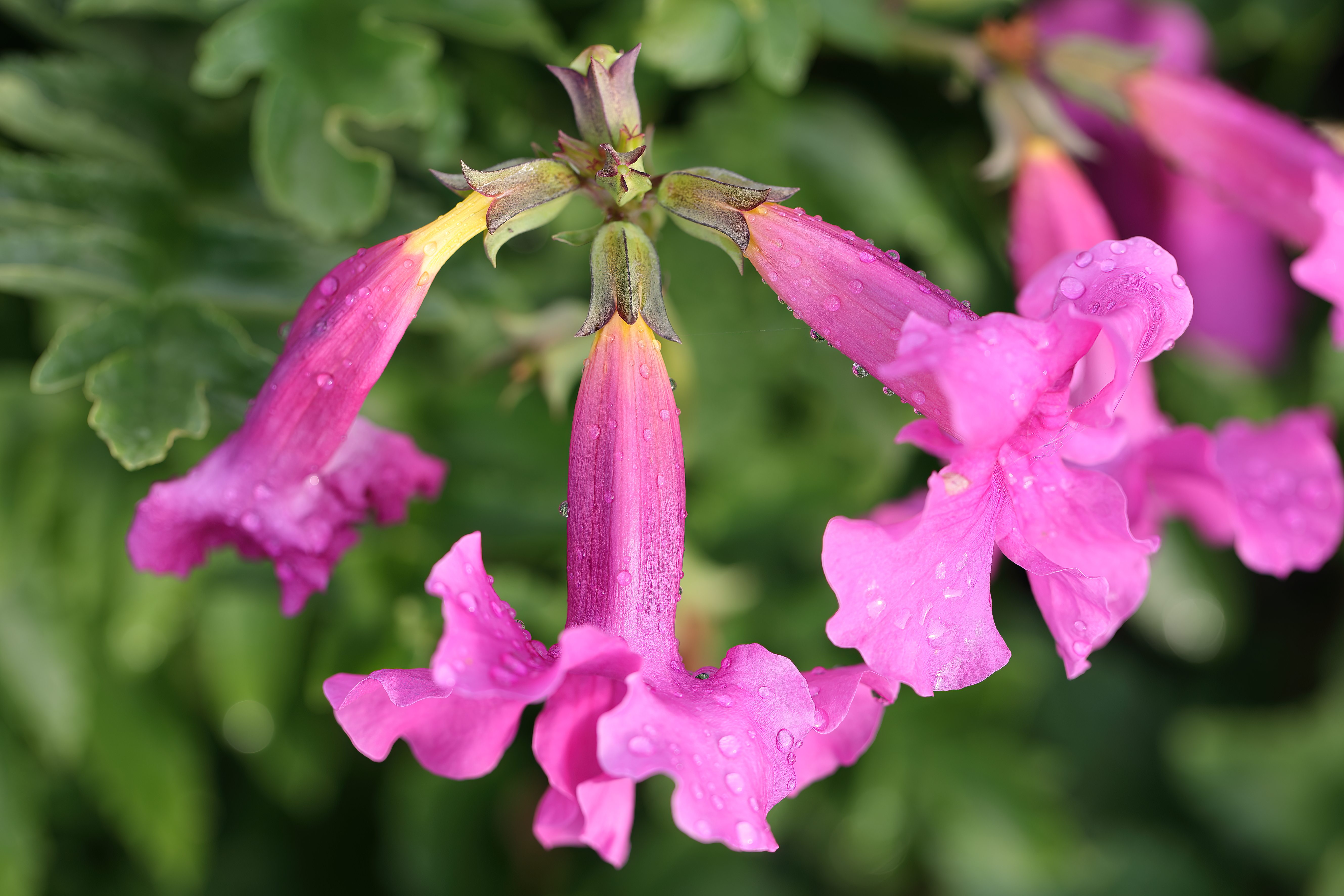
Often compared to gloxinia for the beauty of its tubular flowers, Incarvillea distinguishes itself by its ability to adapt to temperate climates and its ease of cultivation, making it an ideal candidate for both traditional flower borders and contemporary rock gardens.
1. Classification and Botanical Characteristics
Incarvillea belongs to the family Bignoniaceae, a particularly diverse botanical family that comprises mainly trees and woody vines. Incarvilleas form a notable exception within their family due to their herbaceous habit and tuberous root system.
Genus: Incarvillea | Family: Bignoniaceae | Order: Lamiales | About 16 species
The genus contains approximately sixteen species of herbaceous perennials characterised by a particularly well-developed tuberous root system. This taproot, generally turnip-shaped or spindle-shaped, serves as an essential energy reserve organ that enables the plant to survive dormancy periods and regenerate vigorously when favourable conditions return.
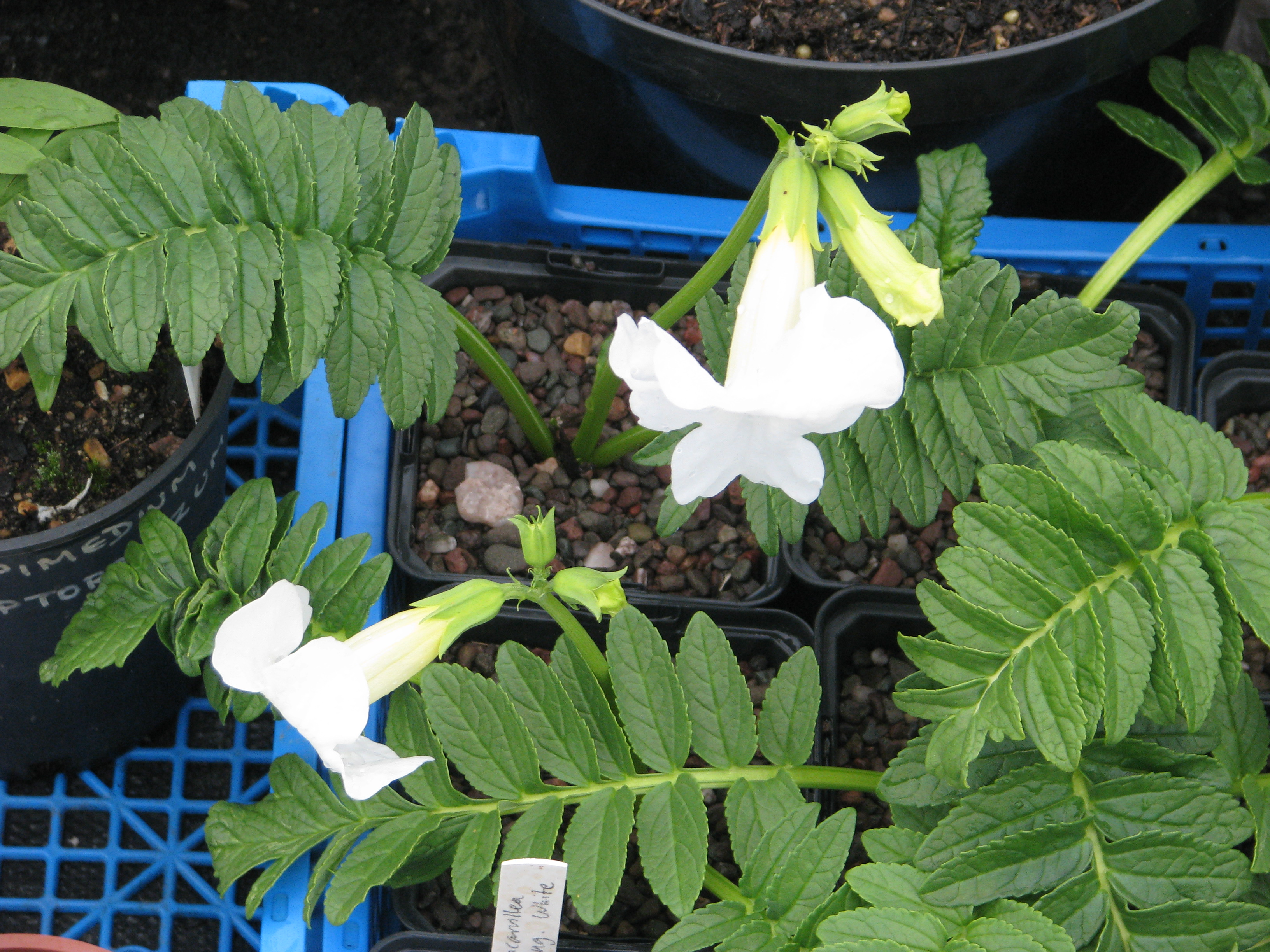
The habit typically ranges from 12 to 80 centimetres in height. The pinnate, deeply lobed foliage has earned some species the poetic nickname of "flowering fern," although the plant bears no relation to true ferns.
The tubular, trumpet-shaped flowers open in racemes or terminal panicles. Each flower can reach 8 centimetres in diameter in the most robust forms, with colours ranging from vivid pink to pure white through to pale yellow. The floral structure comprises four didynamous stamens and a characteristic pale yellow style.
The fruits take the form of narrow, cylindrical capsules containing compressed seeds of orbicular shape, characterised by their membranous, transparent wings that facilitate wind dispersal.
2. Pierre d'Incarville and the History of the Genus
The history of the genus Incarvillea is inseparable from that of French missionary botany in China during the 18th century. The genus name honours Father Pierre Nicolas Le Chéron d'Incarville (1706–1757), a Jesuit missionary who combined his religious vocation with a consuming passion for botany.
It was Antoine-Laurent de Jussieu, a major figure in French botany and creator of the natural system of plant classification, who formalised the tribute by naming this new genus in 1789, as part of his major work Genera Plantarum.
The most famous species of the genus, Incarvillea delavayi, honours another botanist: Abbé Pierre Delavay (1838–1895). This pharmacist-turned-botanist devoted more than forty years of his life to exploring the Chinese flora, becoming one of the most prolific botanists in history with over 150,000 specimens sent to France. It was during his expeditions in the mountains of western Sichuan that he discovered the plant that would bear his name, officially described in 1891.
The introduction of Incarvillea delavayi into European gardens dates from 1891. The plant rapidly aroused considerable enthusiasm among European horticulturists, captivated by the rare combination of exceptional hardiness, spectacular flowering and ornamental foliage. Commercial success was immediate and endures today, more than a century after its introduction.
3. Cultivation and Garden Care
3.1 Ideal Conditions
Incarvillea demonstrates a remarkable capacity for adaptation that allows it to be grown in the majority of temperate gardens.
Exposure: full sun to light partial shade, with at least four to six hours of direct sunlight. In regions with very hot summers, partial shade during the hottest hours helps keep the foliage cool.
Soil: light, fertile and, above all, well-drained. This drainage requirement reflects its mountainous origins. Compact, wet clay soil would encourage tuber rot. The ideal approach is to amend heavy soils with coarse sand, gravel or pumice.
Fertility: an application of well-rotted compost at planting time is sufficient. Excessive fertilisation, rich in nitrogen, promotes foliage at the expense of flowering.
Hardiness: USDA zone 5b, hardy down to −14 °C to −20 °C. The plant enters autumn dormancy and its tubers survive without special protection in well-drained soils.
3.2 Planting
The optimal period runs from early spring to late summer, but the months of March to May offer the best conditions.
Tuberous roots should be planted vertically, with the tip facing upwards, at a depth of 4 to 10 centimetres. Spacing between plants should be 30 to 40 centimetres.
3.3 Seasonal Care
Spring: light surface hoeing to aerate the soil, a light mulch of compost (3 to 5 cm) around the plants.
Summer: deadhead spent flowers to prolong blooming. Generous but infrequent watering only during prolonged drought. Incarvillea tolerates occasional water shortages better than permanent waterlogging.
Autumn: the foliage yellows and dries naturally. Cut the dried stems back to ground level. No lifting of tubers is necessary in regions with moderate winters.
Winter: ensure that water does not pool around the crowns and, if necessary, mark the location of the plants.
4. Container and Balcony Growing
Incarvillea adapts remarkably well to container cultivation, allowing urban gardeners to enjoy its beauty.
The container should prioritise depth over breadth, with a minimum of 30 centimetres in depth. Porous materials (unglazed terracotta) promote moisture drainage.
Well-draining substrate: flowering plant compost (50%), coarse sand (30%) and perlite or vermiculite (20%). A layer of clay pebbles at the bottom of the pot optimises water drainage.
Watering in pots requires particular attention: the substrate dries out more quickly than in open ground, but overwatering remains the primary cause of failure.
In regions with harsh winters, move the pot against a south-facing wall or into a frost-free room (garage, cellar) to protect the tubers.
5. Propagation and Multiplication
5.1 Propagation by Seed
Propagation by seed produces a large number of plants and allows the selection of interesting variations. Seed harvesting is carried out at maturity, generally in late summer.
Sowing under cover can be done from March onwards in seed trays. The seeds, lightly covered, typically germinate in two to four weeks at 15 to 20 °C. First flowering occurs two to three years after sowing.
5.2 Tuber Division
Tuber division is the most common and most reliable method for faithfully reproducing varietal characteristics. Carry out the operation in spring as growth resumes.
The mother tuber is divided into several fragments, each of which must have at least one vegetative bud. Each fragment is replanted immediately. Flowering may occur as early as the following year.
5.3 Root Cuttings
Root sections of 8 to 12 centimetres are taken in late summer and planted horizontally in a light substrate. The cuttings are kept in a nursery bed until the following spring. This method produces plants genetically identical to the mother plant.
5.4 Pollination
Incarvillea delavayi is not self-fertile. Pollination depends on insects, primarily bumblebees and bees. Seeds harvested from an isolated plant may fail to germinate or produce plants different from the mother plant if cross-pollination has not occurred.
6. Diseases and Pests
6.1 Fungal Diseases
The main enemy remains root and tuber rot, caused by Pythium, Phytophthora and Fusarium. Favoured by excess moisture and poorly drained soils, it manifests as sudden wilting. Prevention is the only effective defence: perfect drainage, moderate irrigation. In case of attack, remove and destroy the diseased plant (do not compost).
Powdery mildew may occasionally affect the foliage with a whitish film. Air circulation between plants and avoiding late watering are the main preventive measures.
6.2 Pests
Slugs and snails are the most common pests, particularly dangerous for young spring shoots. Mechanical barriers (ash, eggshells, copper), beer traps and hand collection are the recommended control methods.
Green aphids can infest young shoots and flower buds. Biological control by ladybirds, lacewings and hoverflies.
6.3 Repellent Property
Incarvillea delavayi is renowned for its ability to repel moles within a radius of approximately 7 metres, thanks to a substance present in its roots that acts as a natural repellent. This property makes the plant a strategic choice for gardens prone to mole invasions.
7. Medicinal Potential and Chemical Composition
Phytochemical research on Incarvillea sinensis has revealed an interesting composition, including more than thirteen monoterpene alkaloids and seven spermine macrocyclic alkaloids. The main active component isolated is incarvillateine, which has been the subject of studies for its potential pharmacological properties in journals such as Scientific Reports and PLoS ONE.
This research remains experimental and the therapeutic use of Incarvillea is not documented in commonly practised traditional medicine. Self-medication with homemade preparations is not recommended.
8. Commercial Varieties and Supply
The horticultural market offers several cultivars of Incarvillea delavayi:
Incarvillea delavayi 'Snowtop' (syn. 'Alba', 'Snowcap'): the most widespread white-flowered form, available from approximately 19 suppliers.
Incarvillea delavayi 'Bees Pink': flowers of a pronounced pink, more vivid than the type form, with a slightly more compact habit.
The type form presents pink to magenta flowers with a yellow centre, derived directly from wild Chinese populations.
Large garden centres (Jardiland, Truffaut, Botanic) offer Incarvillea in plug pots in spring. Specialist online sellers (Bakker, Promesse de fleurs) offer a wider selection including rare varieties. Seed shops (Thompson & Morgan, Graines Bocquet) sell seeds for growing from seed.
Conclusion
Incarvillea, and particularly Incarvillea delavayi, represents a perennial plant of exceptional ornamental value that deserves pride of place in gardens. Its unique combination of remarkable hardiness, spectacular flowering and ease of cultivation makes it an ideal candidate for both beginners and experienced gardeners.
Beyond its aesthetic qualities, Incarvillea offers complementary benefits: its ability to repel moles makes it a natural and ecological alternative to conventional control methods, while its fascinating botanical history enriches our understanding of the worldwide circulation of plant species.
By following the cultivation recommendations — perfect drainage, sunny to partially shaded exposure, measured irrigation and protection against slugs — every gardener will be able to fully enjoy this botanical marvel from the Chinese mountains, successfully acclimatised in our European gardens for over a century.